
Listening
Four recorded sections at exam speed. Lessons train note-taking, spelling under pressure, and the accent range used in the real test.

Exam preparation · London and online
Structured IELTS preparation courses in London: listening, reading, writing and speaking, taught in classroom and evening formats for university and work pathways in the UK.
IELTS preparation is not a single subject. The test splits into four papers — Listening, Reading, Writing and Speaking — and each one rewards a different habit. Listening rewards steady exposure to British and international accents at exam pace. Reading rewards speed with a method, because the passages are long and the clock is short. Writing rewards structure: a clear position in Task 2 and accurate data description in Task 1. Speaking rewards fluency under mild pressure, which only comes from repeated spoken practice.
A structured course sequences those habits across weeks instead of leaving them to chance. You sit timed papers, review the errors with a tutor, and repeat the sections that cost you the most marks. Progress is recorded per skill, so you can see whether Reading improved after a change in technique rather than guessing.

Timed practice papers are marked per skill, so the next week's plan follows the errors rather than a fixed syllabus.
Every pathway below covers the same four papers. What changes is how the hours are weighted, which depends on the band you need and the skill holding you back.
Four recorded sections at exam speed. Lessons train note-taking, spelling under pressure, and the accent range used in the real test.
Three long passages, forty questions, sixty minutes. We teach skimming, locating, and the question types that waste the most time if handled in the wrong order.
Two tasks. Task 1 describes a chart or process; Task 2 argues a position. Work is drafted, marked against the public band descriptors, then rewritten.
Three parts, recorded and reviewed. The aim is steady fluency and clear answers, not an accent change.
IELTS comes in two versions. Academic IELTS is the one most UK universities ask for; it is also used by many professional registration bodies. The General Training version applies to migration routes, some college courses and several employer pathways. The Listening and Speaking papers are the same in both. Reading and Writing change.
The test itself runs in one sitting. Listening, Reading and Writing happen back to back without a break; Speaking is usually on the same day or within a few days. Preparation courses therefore practise the full sequence, not the papers in isolation, because stamina matters as much as accuracy by the third hour.
If you are unsure which version your university or employer requires, bring the requirement with you and we will check it before you book a test date.

Full mock tests run under exam conditions, back to back, so the timing is familiar before the real day.
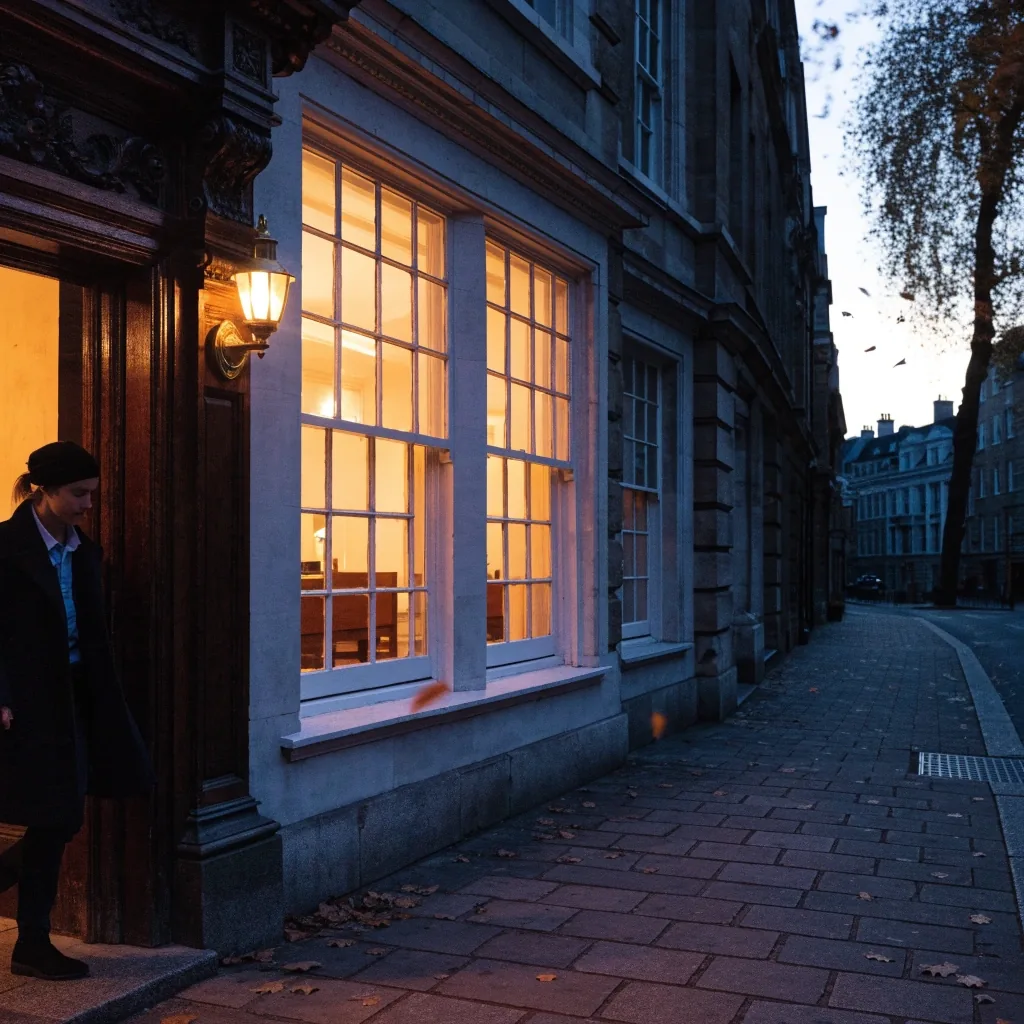
IELTS courses in London run in three shapes, and the right one depends on how much time sits between today and your test date.
Courses mix taught technique with timed practice, because knowing the method is only half the task when the clock is running.
Two taught sessions on question types and paper technique, with worked examples on the board.
One full timed paper under exam conditions, marked before the next session.
A writing draft submitted and returned with comments against the public band descriptors.
Speaking practice in pairs, recorded where you agree to it, so you hear your own fluency between sessions.
Vocabulary work tied to the topic areas IELTS actually uses, not a general word list.
Before a course starts we review your current level, which paper you need, and your target test date. If a course will not close the gap in the time available, we say so and suggest a different route.
The test fee itself is paid to the test centre, not to us. Course fees, materials and any accommodation arrangement are confirmed in writing before you commit.
If your university sent a specific requirement, a syllabus, or a deadline, bring it to the first session. It shapes which papers we weight.
Learners come to these courses from three directions, and each needs a slightly different plan.
University applicants usually need a specific band for a specific intake, and their deadline is fixed by the admissions round. They tend to need Academic IELTS and often need the Writing score moved, because that is the paper where a small technique gap costs the most.
Working professionals in the UK often need IELTS for a registration body, a visa route or a promotion that depends on documented English proficiency. Evening and weekend formats fit around shift work and office hours.
Learners already studying English at a higher level use preparation courses to convert general fluency into exam performance. Their English may be strong while their timing is not, which is a different problem from a language problem and is taught differently.
Whatever direction you arrive from, the first step is the same: tell us your target band, your test date if you have one, and the paper you are least confident about.
Contact the academyBand requirements differ by institution and by visa route, so the honest advice is to check the source that will decide your case, then plan backwards from it. These are the common patterns learners bring to us.
Many UK universities set an overall band with a minimum in each of the four skills. The per-skill floor is the part that catches people out, so Writing and Speaking usually get extra hours.
Some regulated professions ask for Academic IELTS before registration. Requirements change, so confirm the current figure with the registering body rather than with us.
Some routes require General Training rather than Academic. Preparing for the wrong version wastes weeks, so this is worth checking before the first lesson.
IELTS is usually one requirement among several. Offers, visa paperwork, accommodation and the course itself all run on their own timelines. Our study in the UK guide sets out how those pieces fit together and where an exam-preparation course should sit in the plan.
If your question is not here, the FAQ page covers course admin, fees and enrolment in more detail.
Read the FAQIt depends on the gap between your current level and your target band, and on which paper is weakest. Learners who are close to their target often prepare over several weeks of intensive classes. Learners who need a larger move, or who need one paper rebuilt, usually need a longer run and more between-session work. We assess this before you enrol rather than after.
No. Test places and dates are booked directly with a test centre, and the fee is paid to them. We help you choose a sensible test date relative to your course, and we can talk through which version of the test you need, but the booking itself is yours.
Yes, and these learners are common. Strong general English does not automatically produce a high IELTS score, because the test measures performance under time pressure and against specific question types. If your fluency is fine but your timing is not, the course focuses on technique and pacing.
Classes run at our academy at 48 Bedford Square, Bloomsbury, London, WC1B 3DP. That is a short walk from several Underground stations in central London. Evening and Saturday sessions use the same rooms and the same tutors as the daytime groups.
Yes. We use a practice paper to place you in the right group and to identify which papers need the most attention. It is not a formal test and the result is used for planning rather than for admission decisions.
Tell us your target band, the paper you are least confident about, and your test date if you have one. We will suggest a format and a realistic timeline. Registration is handled on our contact page, which holds the full enquiry form.
The Dress English Academy
48 Bedford Square, Bloomsbury
London, WC1B 3DP, United Kingdom
Monday to Friday, 9:00 AM – 6:00 PM. Saturday, 10:00 AM – 2:00 PM.